Chapter 1
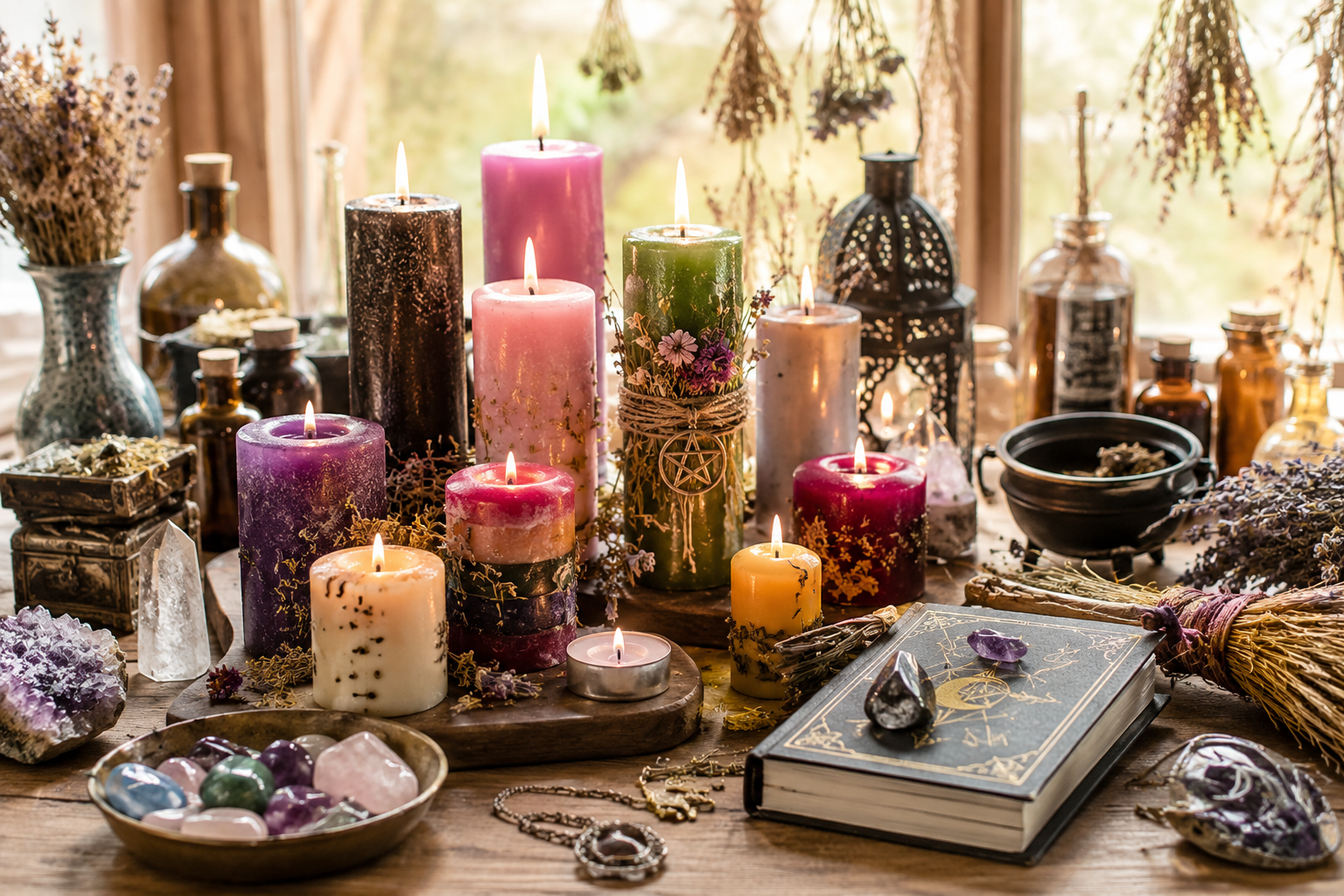
Candle magic is one of the oldest and simplest forms of spell work, rooted in ancient traditions across many cultures. The use of fire in rituals dates back thousands of years, with early civilizations like the Egyptians, Romans, and Greeks using oil lamps and candles in religious ceremonies, prayers, and offerings to deities.
In the Middle Ages, candles became an essential part of Christian rituals, symbolizing divine light. However, folk practitioners and cunning folk also used candles in secret magical workings, blending their practices with religious customs.
By the Renaissance and early modern period, candle magic had evolved into structured spell work, often influenced by astrology, alchemy, and mysticism. Hoodoo, Wicca, and various folk magic traditions incorporated candle spells, assigning different colours, anointing oils, and inscriptions to focus intent.
The Use of Candles in Spells
Candle magic works on the principle of sympathetic magic—the idea that like attracts like. A candle represents the intention, and as it burns, it releases energy into the universe to manifest a desire.
Ancient Traditions of Candle Magic & Fire Rituals
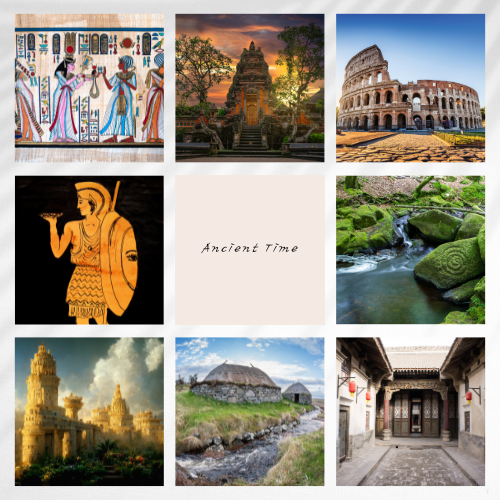
Let's look back at our ancestors way of candle magic.
Ancient Egypt
One of the earliest civilizations to use candle-like lights in magical and spiritual rituals was Ancient Egypt. Instead of wax candles, they primarily used oil lamps, but the principle remained the same—fire was a divine force, a connection to the gods. Egyptians lit lamps and small flame offerings in temples and tombs to honour deities like Ra (the Sun God) and Isis (the Goddess of Magic and Healing).
Egyptians believed that fire and light could guide the dead in the afterlife and also ward off evil spirits. Spell work involving flame and light was commonly recorded in texts like the Book of the Dead, where fire played a role in spiritual protection and transformation.
Ancient Greece and Rome
In Ancient Greece, candles and torches were used in temple rituals, especially for Hecate, the goddess of magic, crossroads, and the underworld. Practitioners would leave lit candles or torches at crossroads as offerings, believing she would grant protection or guidance.
Greek and Roman households also had lampadomancy, a form of divination where the movement of a flame was interpreted for omens. They believed that steady flames indicated divine favour, while flickering or extinguished flames signified warnings or curses.
Romans took this further, using wax candles in ceremonial magic, lighting them during prayers, sacrifices, and spells. They associated different flame colours and movements with messages from the gods.
Babylonian & Mesopotamian Fire Magic
In ancient Mesopotamia, priests and magicians used fire in purification rituals and to ward off malevolent spirits. Candles and oil lamps were used in temples dedicated to Ishtar (goddess of love and war) and Marduk (a chief deity).
One of the most significant Mesopotamian magical practices was burning incantation bowls or wax figurines while reciting spells. This practice evolved into later candle-based magic, where inscriptions were carved into objects before burning them.
Ancient Celtic and Norse Fire Rituals
The Celts deeply revered fire, especially in connection with seasonal festivals like Beltane (May 1st) and Samhain (October 31st)- reverse in the Southern Hemisphere. Bonfires were lit to honour gods, spirits, and ancestors, and small candles were placed in homes to protect against malevolent forces.
Celtic druids practiced candle divination, where the way a flame burned was thought to reveal messages from the Otherworld. They also used candle spells for protection, fertility, and guidance—a tradition that later influenced modern witchcraft.
In Norse traditions, fire was sacred to the gods, especially Surtr (a fire giant) and Loki (a fire trickster deity). Candles or small fires were often used in seiðr (Norse magic) as part of trance work and divination.
Hindu & Vedic Rituals
Ancient Hindu Vedic traditions have long incorporated candle-like flames in rituals called Aarti and Homa (fire sacrifices). Small ghee lamps were used to invoke deities like Agni (the fire god) and to purify spaces.
In Hindu magic, flame offerings were part of tantric rituals, often accompanied by mantras and intentions. The belief was that the fire carried prayers to the divine realm, much like candle magic does in modern witchcraft.
Chinese Candle Magic & Ancestral Worship
In ancient China, fire was a key element in Daoist and Buddhist spiritual practices. Candles and oil lamps were used in ancestor veneration, with the belief that lighting a candle helped guide the spirits of the dead.
In Feng Shui and Daoist magic, candle flames were sometimes used for fire scrying, much like in Western traditions. Red candles were particularly powerful, symbolizing luck, prosperity, and warding off evil forces.